
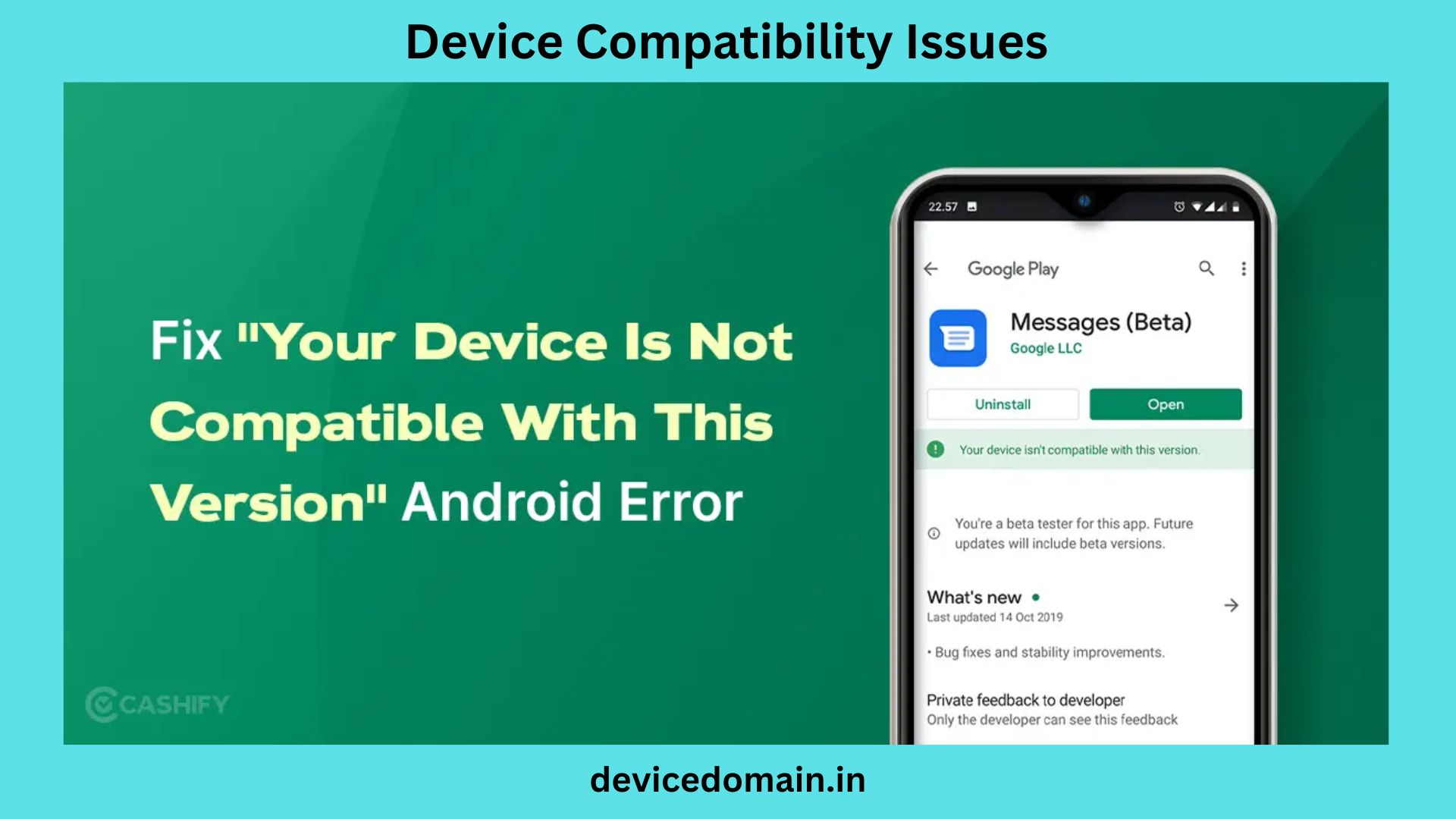
Device problems and Compatibility Issues waste a lot of time.
Apps often fail to install.
Updates sometimes break features.
Users get blocked with error messages.
This review explains what device compatibility means, common causes and clear fixes.
You will learn about Android device compatibility issues and Samsung device compatibility issues.
You will also get the answers to “This app’s not compatible with this device problem solution.”
Let’s start with the basics.
Device Compatibility Meaning
Device compatibility is simple.
It shows whether hardware and software can work together.
An app must match your phone’s system.
Your phone must meet the app’s needs.
If they do not match problems start.
Compatibility depends on:
- Android version
- Device model
- Screen size
- Processor type
- RAM and storage
- App version
If one part fails the app may not run.
Why Android Device Compatibility Issues Happen
Android runs on brands.
Each brand uses hardware.
Each model uses a chip.
That freedom causes Android device compatibility issues.
Here are the main causes.
Old Android Version
Apps require Android versions.
Older phones cannot upgrade forever.
Developers stop support for systems.
This is the common cause.
RAM or Storage
Apps need space and memory.
Heavy apps fail on low-end devices.
Games often require 4GB RAM or more.
32-bit vs 64-bit Systems
New apps use 64-bit support.
Older phones use 32-bit chips.
The app will not install.
Play Store Restrictions
Google Play checks your device data.
If your device fails checks installation stops.
That leads to the error.
This App Is Not Compatible With This Device Problem Solution
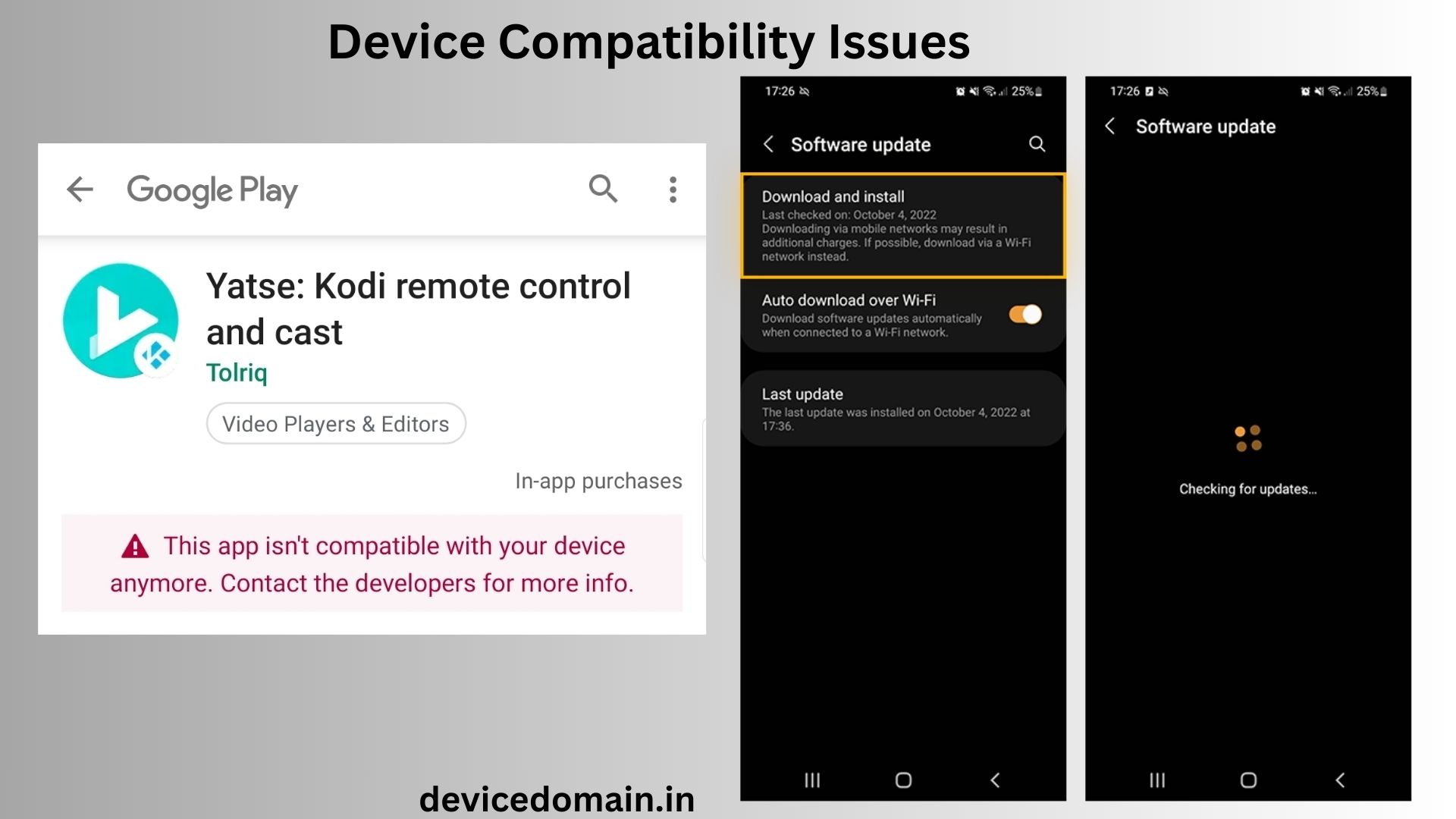
Many users see this message:
“This app is not compatible with this device.”
It looks serious.
Most cases have fixes.
Here is the full problem solution guide.
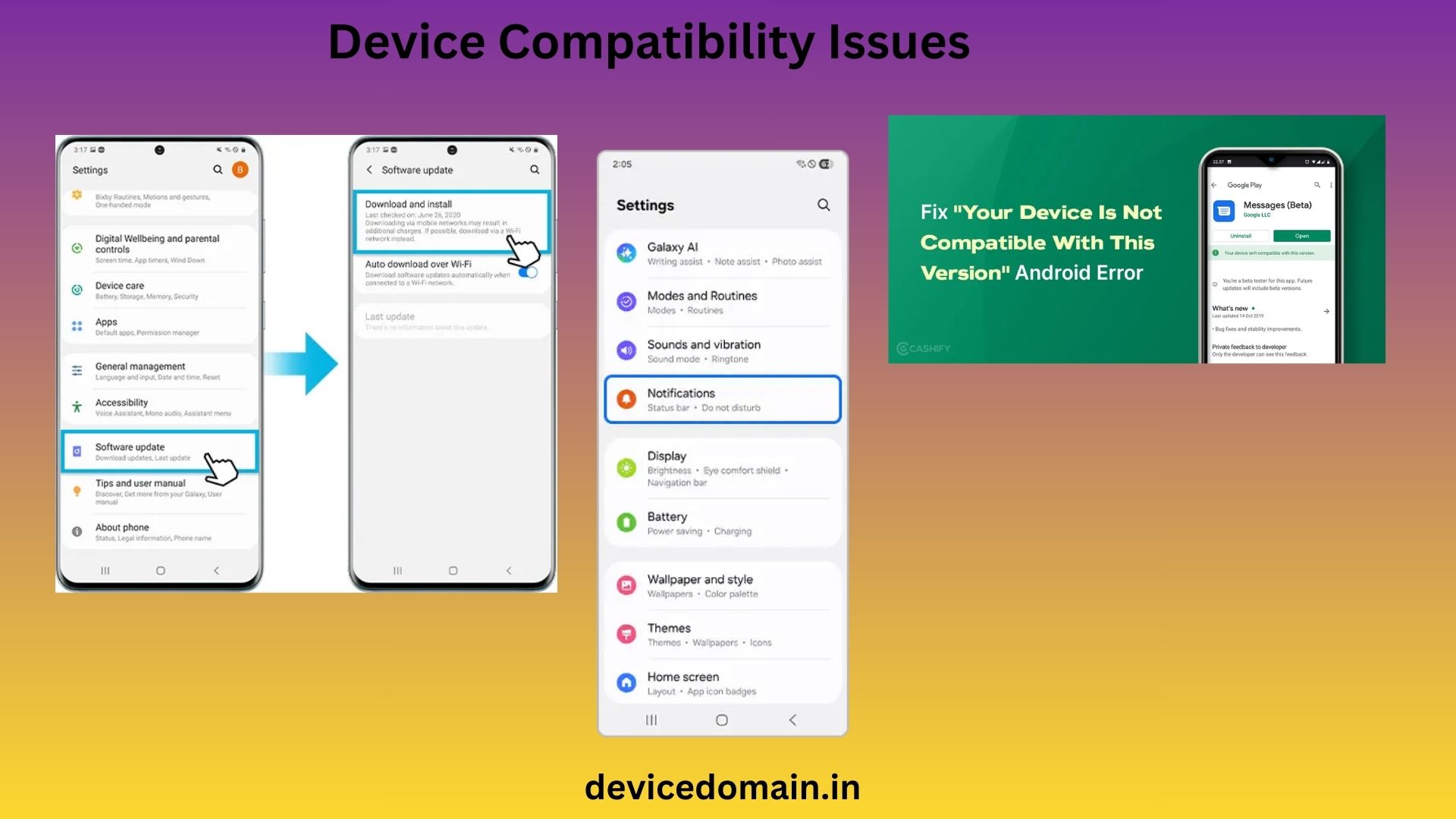
1. Update Android System
Open Settings.
Tap Software Update.
Install the version available.
Older Android versions block apps.
2. Clear Google Play Cache
Open Settings.
Tap Apps.
Find Google Play Store.
Tap Storage.
Clear. Data.
Restart your phone.
This refreshes device data.
3. Check Date and Time
Wrong time settings break Play Store checks.
Set. Time to automatic.
4. Free Storage Space
Delete unused apps.
Remove videos.
Keep least 2GB free.
Low space can block installs.
5. Restart Device
Restart clears errors.
It often fixes glitches.
If the app still fails, move to steps.
Device Compatibility Check: How It Works
A device compatibility check compares your phone specs with app needs.
The Play Store checks:
- Android version
- CPU type
- Screen DPI
- RAM
- Country limits
If your phone fails any test the app is hidden or blocked.
You can check your device specs using:
- Settings → About Phone
- Free device info apps
- Manufacturer website
Always check app requirements in the Play Store page.
Android Compatible Devices Explained
Android compatible devices are phones that meet app requirements.
Not all Android phones are equal.
Budget phones have limits.
Flagship phones support apps.
Examples of brands with support:
- Samsung
- Google Pixel
- Xiaomi
- OnePlus
Newer models support features.
Older models slowly lose support.
Support usually lasts 3 to 5 years.
After that Android device compatibility issues increase.
Samsung Device Compatibility Issues
Samsung makes models each year.
Some are premium.
Some are entry-level.
Samsung device compatibility issues often happen on Galaxy models.
Common causes include:
- Old Android version
- RAM
- Carrier-locked firmware
- Regional model limits
Galaxy A and J series phones face issues than S series.
How to Fix Samsung Device Compatibility Issues
- Update One UI and Android.
- Check for system updates weekly.
- Reset app preferences.
- Remove apps.
- Factory reset if needed.
Factory reset should be the option.
Back up your data first.
How to Fix App Not With This Device APK
Some users install apps using APK files.
This bypasses Play Store checks.
Apk installs can fail too.
If you want to know how to fix app not compatible with this device APK follow these steps.
Step 1: Download Correct APK Version
Apps have versions.
Older phones need APK versions.
Choose a version that supports your Android version.
Step 2: Enable Unknown Sources
Open Settings.
Tap Security.
Allow installs from sources.
Disable this after install for safety.
Step 3: Check CPU Architecture
Install a CPU info app.
Check if your phone is ARM, ARM64 or x86.
Download the matching APK type.
Wrong CPU type will fail install.
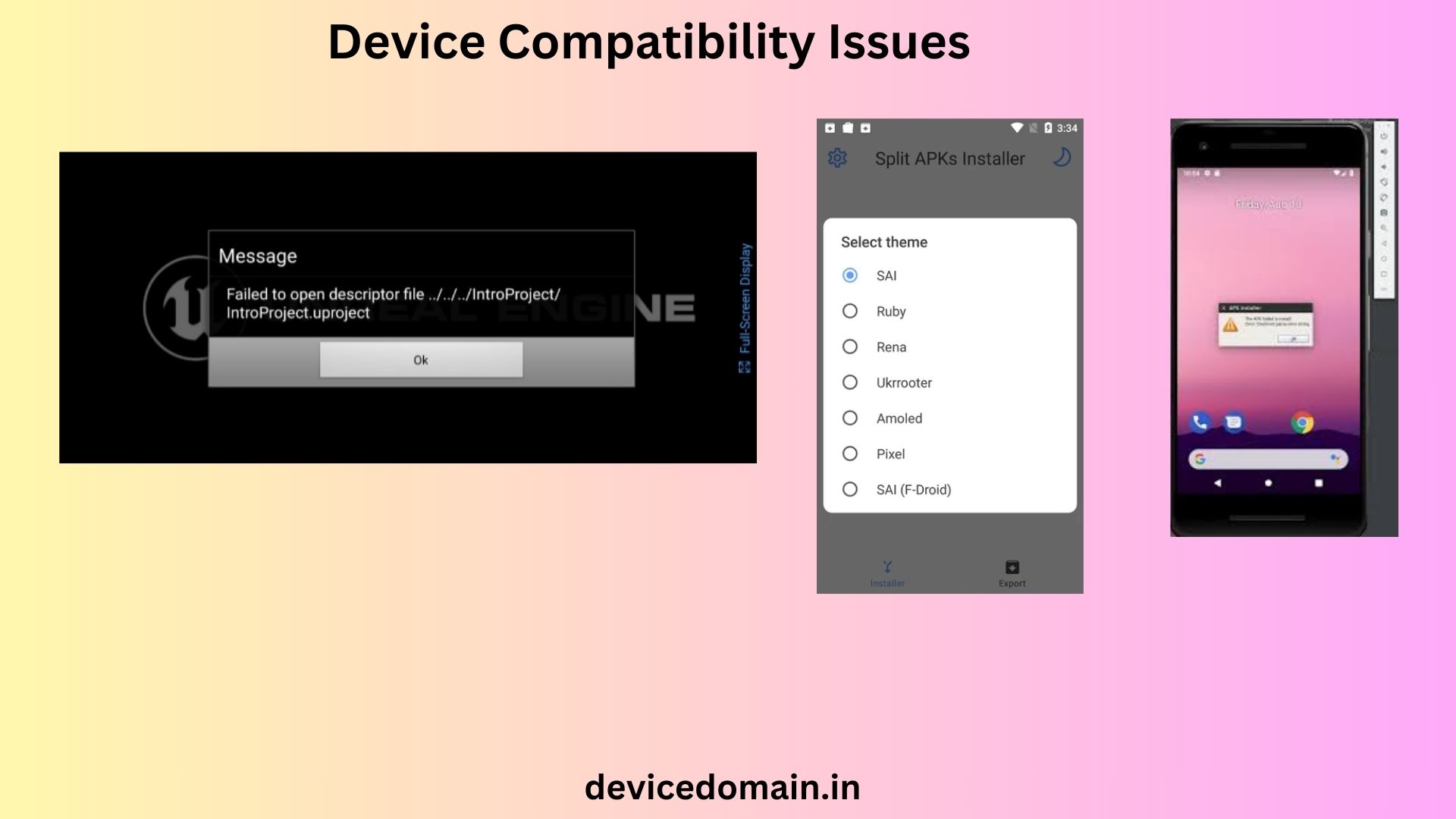
Step 4: Use Split APK Installer
Some apps use split APK files.
Install them using a split APK installer app.
Never download from websites.
Malware risks are real.
How to Make it Your Device Compatible With Any App on Android
You cannot make every phone run every app.
Hardware limits exist.
Still you can increase compatibility chances.
Here is how to make your device compatible with any app on Android.
Keep Android Updated
Always use the supported version.
Install Custom ROM (Advanced Users)
Custom ROMs provide Android versions.
They require bootloader unlock.
They void warranty in cases.
This is risky for beginners.
Root Device (Not Recommended)
Root access removes system limits.
Some apps block devices.
Security risk increases.
Only experts should try this.
Use Lite Versions
Many apps offer Lite versions.
They use RAM and storage.
These work better on devices.
Use Web Versions
If the app fails use browser version.
Many services work online.
Google Play Store Filters and Limits
Google Play filters apps by device data.
It blocks apps based on:
- Screen resolution
- RAM
- System version
- Hardware sensors
For example AR apps need sensors.
If your phone lacks them install fails.
Gaming apps need GPU.
Low-end phones cannot handle them.
This filtering protects users from crashes.
Common User Mistakes
Users often cause compatibility issues.
Here are frequent mistakes.
Ignoring System Updates
Updates fix bugs. Improve support.
Installing Random APK Files
Wrong version causes install errors.
Using Fake Device Info Apps
Some apps change device model info.
This can break Play Store checks.
Blocking System Services
Disabling system apps can break installs.
Keep core services active.
Signs Your Phone Is Too Old
Some signs show your device reached its limit.
- No system updates available
- Many apps missing from Play Store
- crashes
- Slow performance
- Battery drain issues
Phones older than five years struggle with new apps.
Replacement may be the long-term fix.
Business Impact of Device Compatibility Issues
Compatibility issues hurt more than users.
They affect:
- Online stores
- Delivery apps
- Banking apps
- Work tools
When apps fail sales drop.
Customers leave reviews.
Developers must test apps on Android compatible devices.
Testing reduces errors. Improves ratings.
Developer Side of Compatibility
App developers must manage device diversity.
Android has thousands of device models.
Developers test on:
- Different screen sizes
- RAM levels
- Multiple Android versions
They use device labs and emulators.
Still not every device can be tested.
That is why some issues slip through.
Security and Compatibility
Security updates affect compatibility.
Old Android versions lack security patches.
Developers stop support for systems.
Banks and payment apps block devices.
Security and compatibility go together.
When Factory Reset Helps
Factory reset removes:
- files
- Bad settings
- Hidden conflicts
It restores default system state.
It does not upgrade Android version.
Back up data, before reset.
When Nothing Works
If no solution works consider these options:
- Use a device
- Use web version
- Contact app support
- Upgrade your phone
Hardware limits cannot be bypassed forever.
Quick Fix Checklist
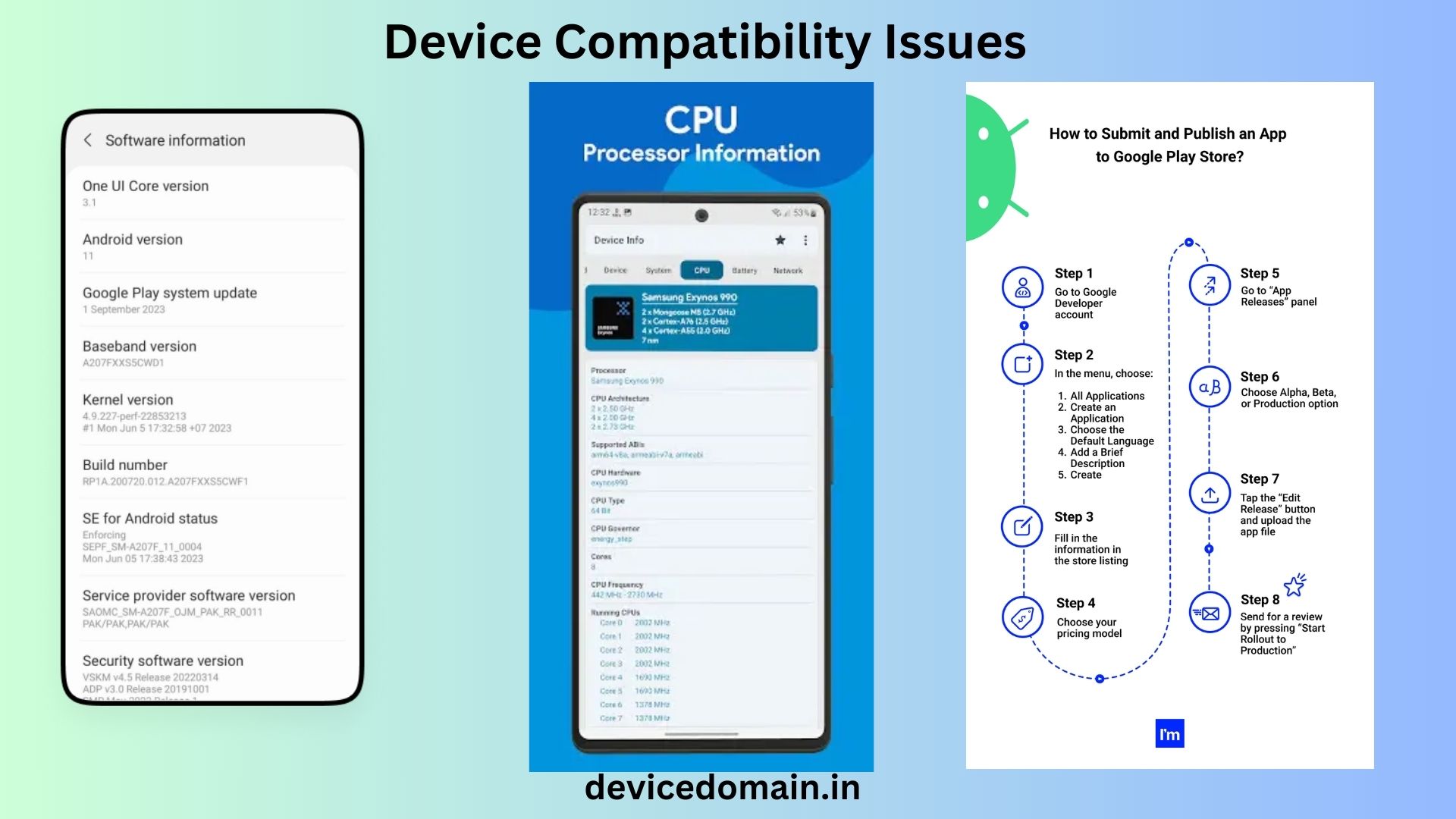
If you face Android device compatibility issues check this list:
- Update Android
- Update Google Play
- Clear Play Store cache
- storage
- Restart device
- Check app requirements
- Install correct APK version
- Verify CPU type
Most users solve problems within these steps.
Final Thoughts
Device compatibility meaning is simple.
Your device needs to match what the app requires.
Android devices often have compatibility problems.
Many Samsung devices, older ones have these issues.
The solution to “this app is not compatible with this device” means updating or getting the right APK version.
Checking if your device is compatible before installing apps helps.
Learning how to fix app compatibility issues with APKs prevents errors.
Knowing how to make your device work with any Android app saves you time.
There are limits, to what your hardware can do.
New apps need systems to work properly.
Old phones can’t keep up with the apps forever.
Make sure to keep your device updated.
Watch how storage and RAM you’re using.
Install app versions that are safe.
If you’re hitting limits it might be time to upgrade your device.
Many compatibility problems have solutions.