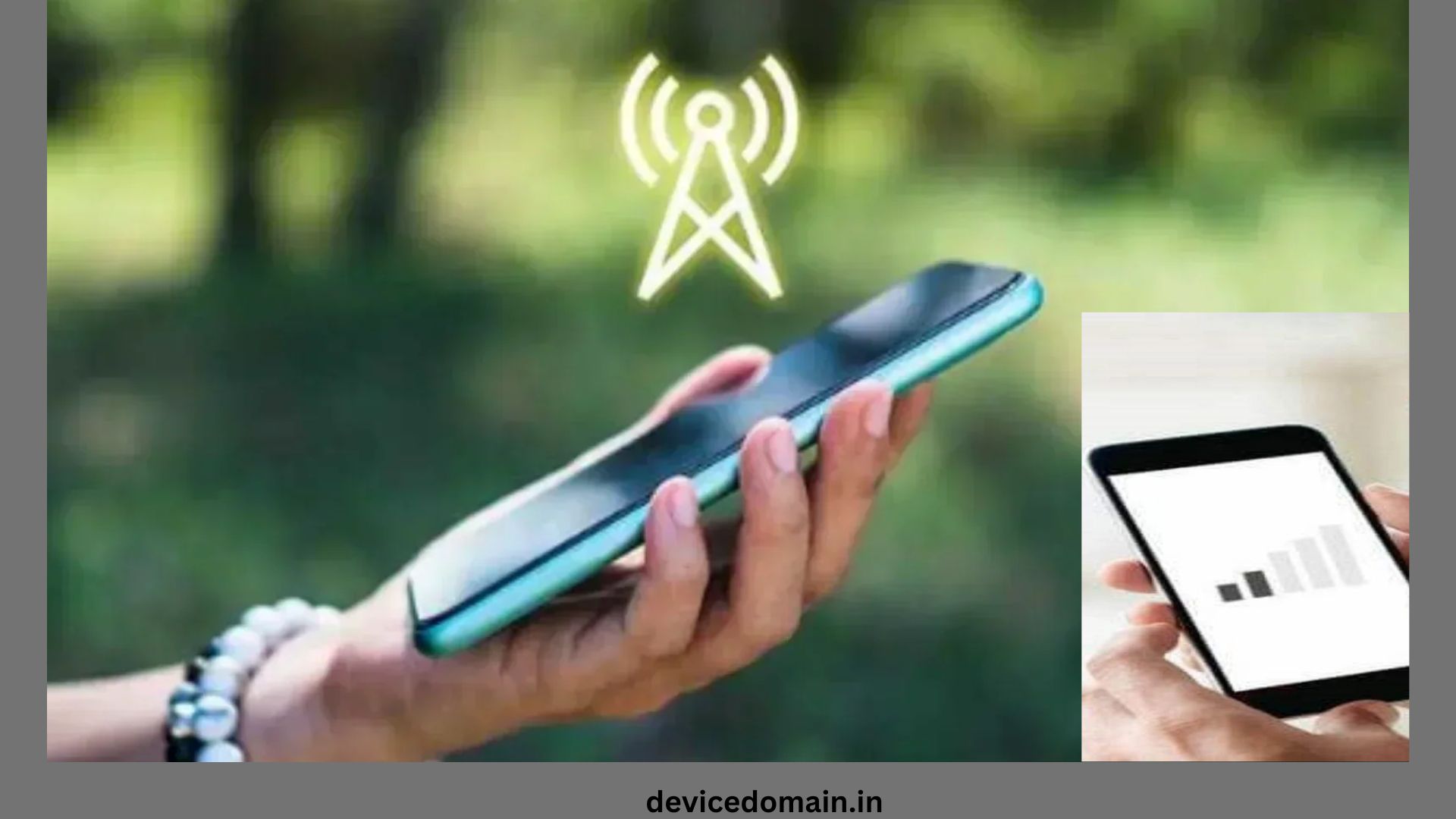

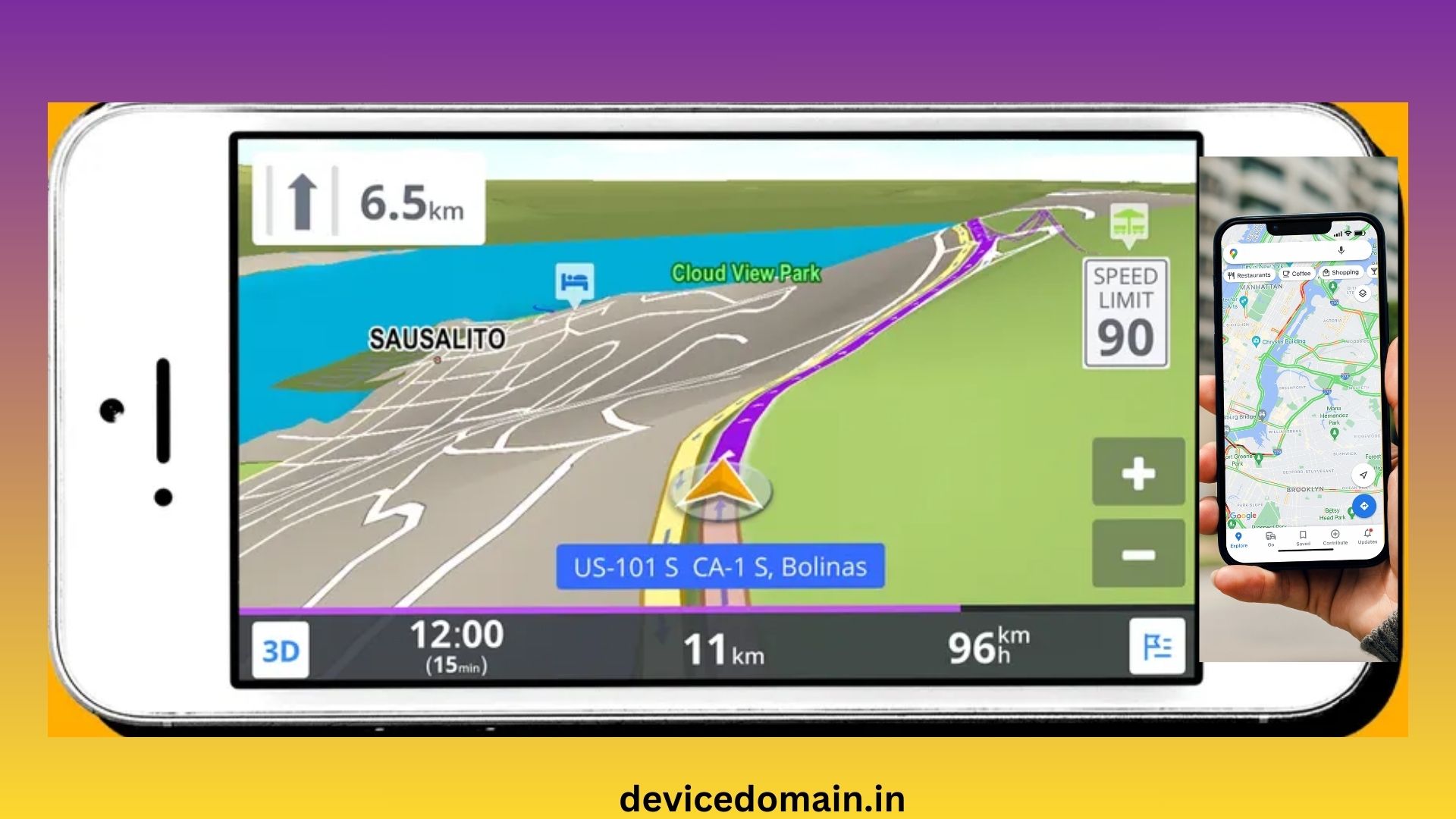
A good phone GPS is really helpful when you are driving or walking around every day. Lots of people trust their phone GPS more than the GPS devices they used to use in their cars. Having a GPS is important when you travel, use ride apps track your workouts or go on hikes. If your GPS is bad you might miss turns your maps will not update quickly. Your workout records will be wrong.
New phones use signals from satellites to find your location more quickly and accurately. These satellites include the GPS system from the United States and other systems from around the world. Phones also use signals from GLONASS, Galileo, BeiDou and QZSS satellites to get a signal. More signals help your phone find your location faster and keep your maps steady in cities.. Tall buildings can block the signals and cause your location to drift when you are walking or driving in the city.
The design of the phones chip for GPS.
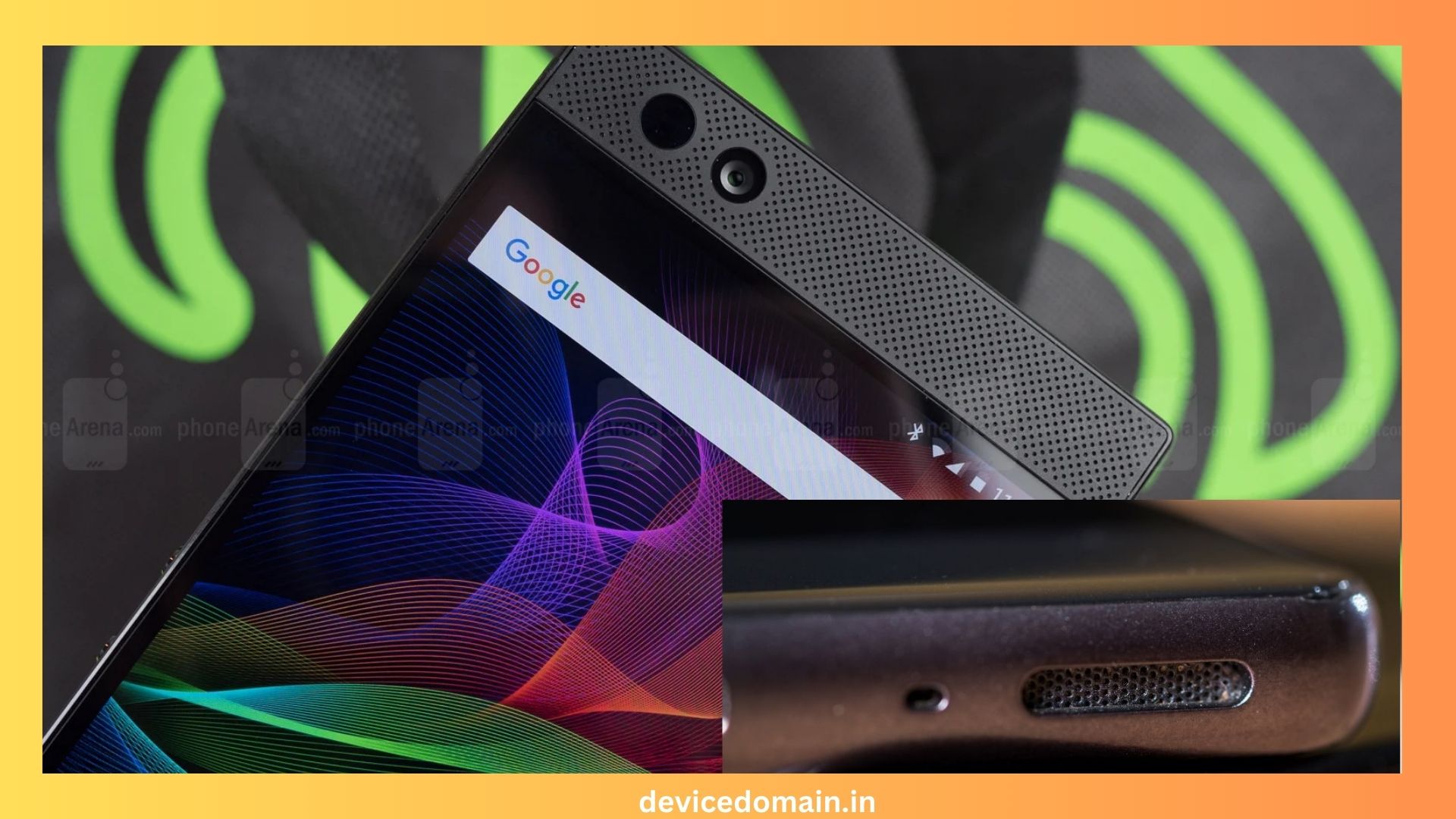
The design of the phones chip is also important for GPS speed and accuracy. A good antenna helps your phone catch signals in tough areas. Map apps also use information from the phones motion sensors and cell towers. This helps your phone guess where you are when the satellite signals are weak. Phones with chips and smart software have the best GPS results. The size of the battery is also important because GPS can use a lot of power during trips.
Some phones can run GPS for hours without using up all the battery power. Others lose the power quickly when you are the tracking your route or going on a bike ride. This review looks at phones that are known for having strong GPS accuracy. Each phone was tested while walking, driving and tracking routes.
The iPhone 15 Pro
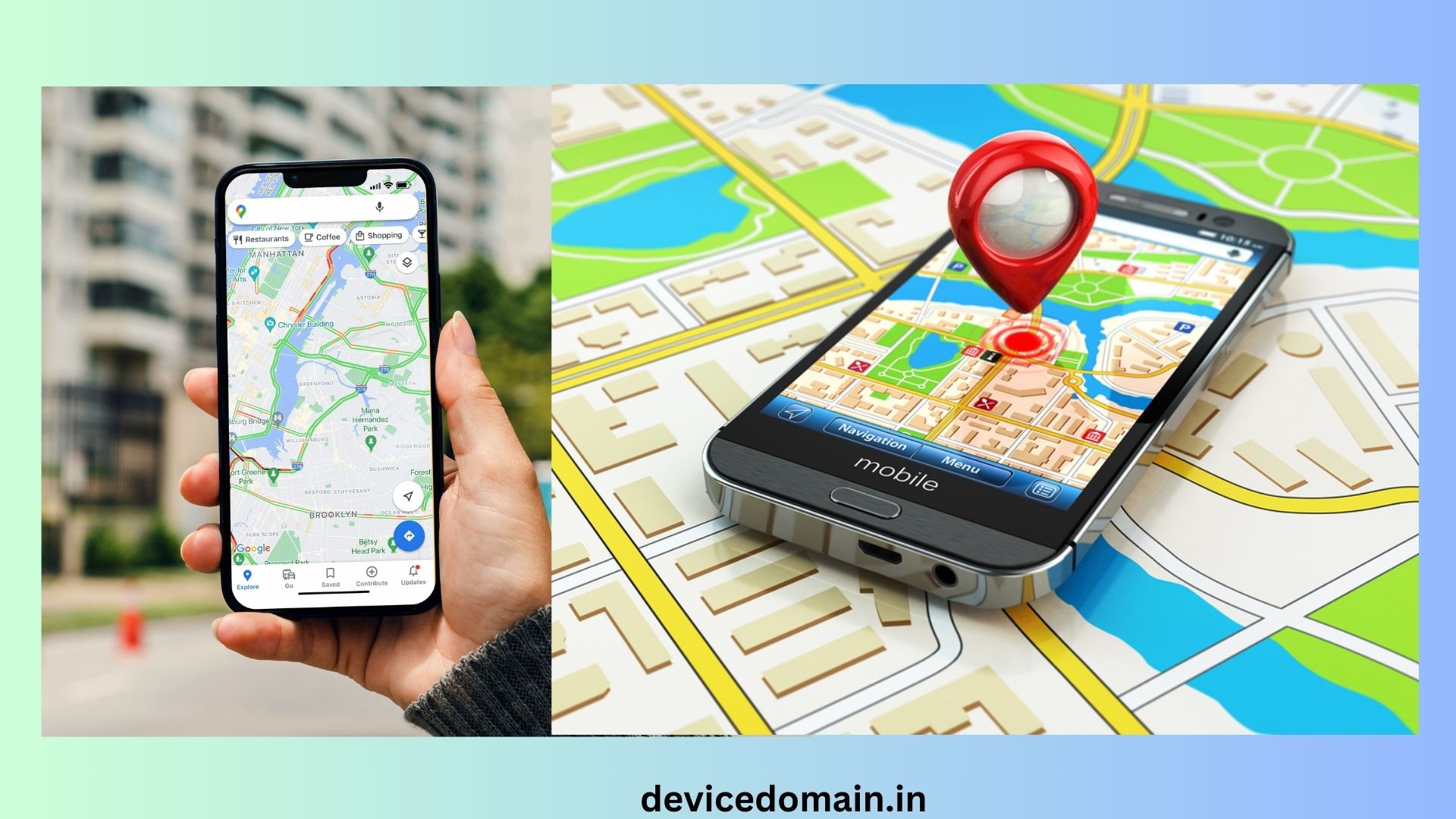
The first phone we want to talk about is the iPhone 15 Pro. This phone has strong GPS accuracy in real-world tests. Apple uses a dual-band GPS chip that can read two signal bands at the time. This helps reduce errors caused by signals bouncing off buildings. The phone finds your location quickly after you open your map app. It usually takes a few seconds to get a location lock. Navigation is smooth while driving through city streets. The map moves in a line without sudden jumps. Walking paths also stay close to roads and sidewalks.
The iPhone 15 Pro also works well in forests and mountains. Many phones can drift away from the trail but this phone stays closer to the true path. Tests show that the average error is often under three meters, which’s good for fitness apps and route tracking. The phone also keeps your direction stable when you are standing still. Many phones can spin the map around while you are waiting at a crossing. Apple uses motion sensors to keep the map facing the right way. This makes walking navigation feel more natural. Battery use during GPS tracking is also fairly low.
A three-hour hike will only use up a part of the battery. This makes the phone good for day trips without needing battery packs. Apple Maps and Google Maps both work smoothly on this device. Third-party apps for hiking and cycling also show steady tracks. The strong chip and antenna design are important for this. The phone rarely loses its satellite signal unless you are inside a large building.. It regains the signal very quickly when you go back outside. The main drawback is the price of this phone. Not everyone wants to pay for a high-end phone.. The GPS quality is among the best.
The Google Pixel 8 Pro
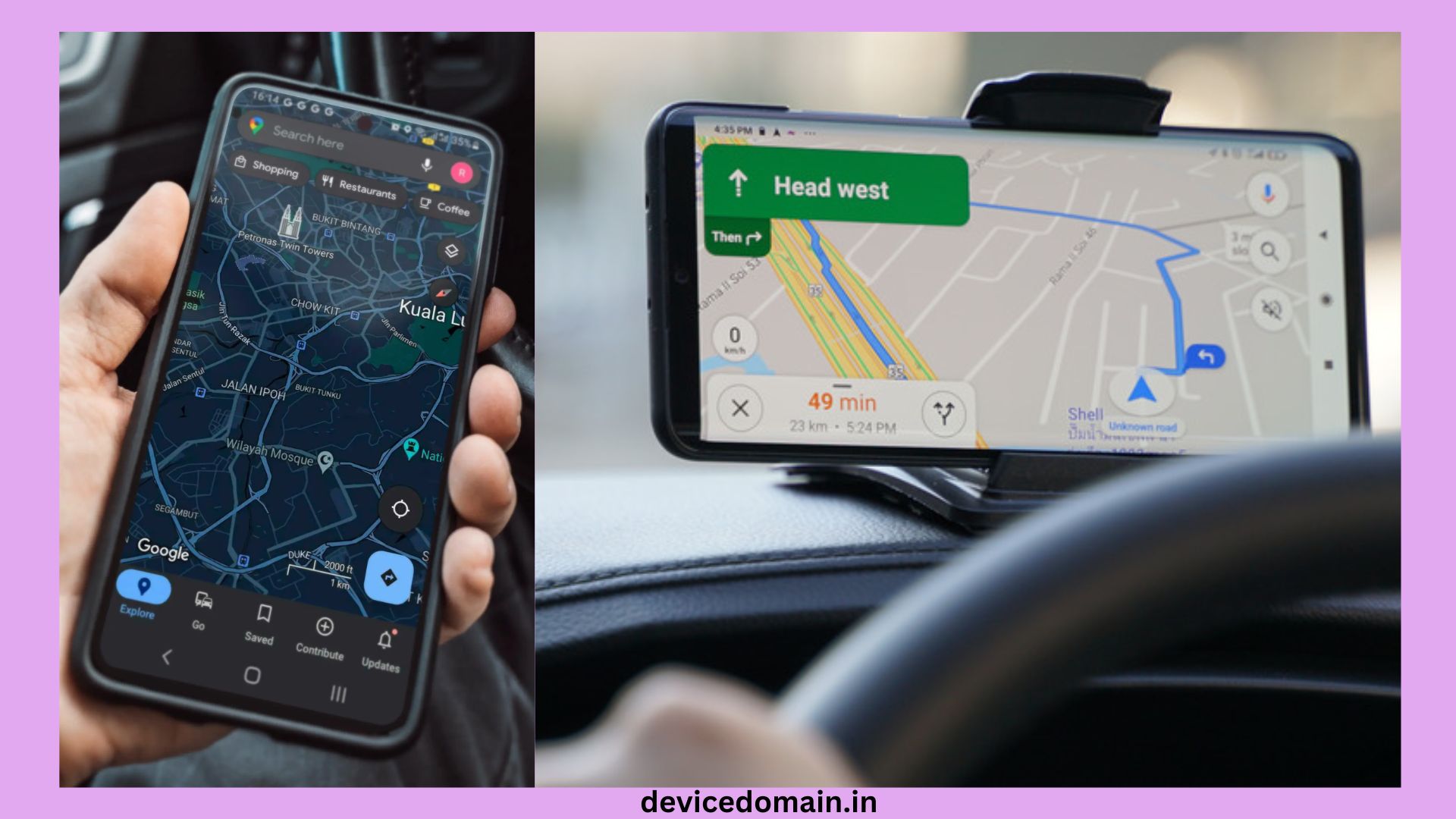
Another strong GPS phone is the Google Pixel 8 Pro. Google has been working to improve GPS accuracy in its Pixel phones. The Pixel 8 Pro has results. It uses a dual-band GNSS chip like other top models. It can read signals from satellite networks at the same time. This helps it keep accuracy in cities and rural areas. Tests show that the phone finds your location quickly after you open your map app. Most of the time it takes than five seconds to get a location lock. Driving navigation works well with stable lane-level position. The map rarely shows the car drifting into streets.
This level of accuracy is helpful for drivers in road systems. The phone also performs during walking route tests. Recorded tracks follow sidewalks and park paths closely. Distance records stay close to the route length. This matters for runners who track their pace and daily distance. The Pixel 8 Pro also keeps direction accuracy. The map arrow rarely spins around while you are waiting at traffic lights. Google also adds software tools for location data. Live traffic data and map updates work smoothly. Voice guidance sounds clear. Updates at the right moments.
The phone also performs well during cycling tests. Bike paths remain clear on the map with little drift. Elevation data also stays close to the terrain height. Some phones can show height jumps during climbs but the Pixel device handles hills and slopes more smoothly. Battery use during GPS sessions stays moderate and predictable. Four hours of cycling will use up an amount of battery power but it is safe. You can extend the battery life by lowering the screen brightness during tracking. Signal strength also stays strong in wooded park areas. Tree cover can often block phone GPS receivers.
The Pixel 8 Pro manages these areas with small errors. Track lines remain close to the trail most of the time. One small weakness appears when you are inside concrete buildings. Your location may drift meters before the satellites return.. The phone recovers quickly once you are outside again. Overall the Pixel 8 Pro ranks among the reliable GPS phones today.
The Samsung Galaxy S24 Ultra
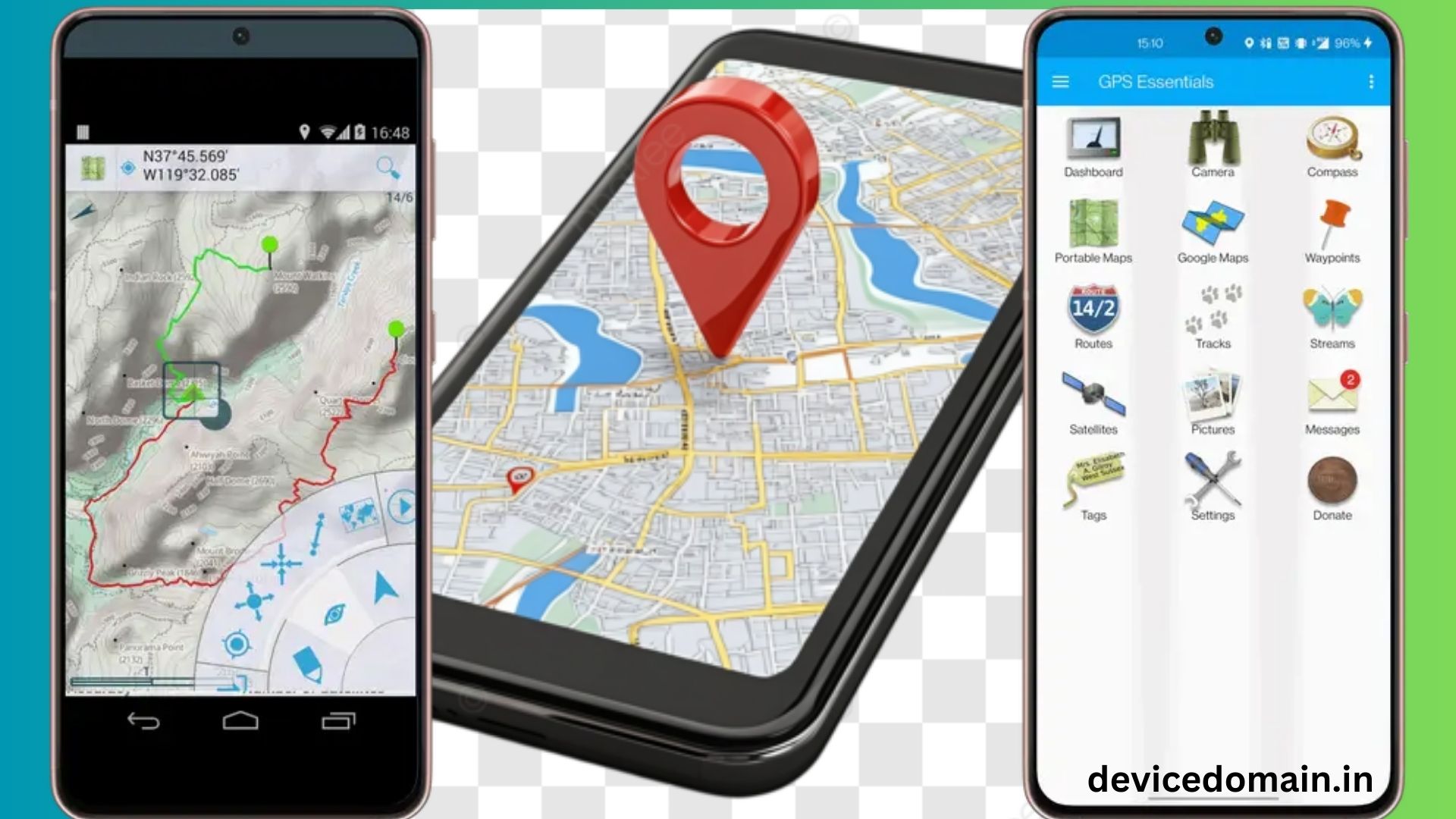
The Samsung Galaxy S24 Ultra also offers GPS accuracy. Samsung uses a chip and wide antenna layout in this device. The phone can read satellite systems at once. Dual-band signals help reduce reflection errors in streets. Tests show location locks after opening navigation apps. Driving routes remain stable at highway speeds. The map dot moves smoothly along roads without jumps. Lane-level guidance also works well on highways.
Walking navigation also performs well in areas. Sidewalk routes remain close to paths across city blocks. Park trails and riverside paths also show tracks. The phone handles building areas better than many older models. Signal bounce can still cause drift near tall glass towers.. The map usually returns to the correct street quickly. Samsung also uses motion sensors to help guide the map arrow. This keeps direction stable while you pause at corners. The large bright screen helps you read maps outdoors. Sunlight does not wash out the display during daytime trips.
Battery size is also large on this phone. Long GPS sessions rarely cause battery stress. Six hours of driving and walking will still leave safe power levels. This makes the phone useful for travel days. Cycling tests show path lines and good speed data. Elevation tracking also stays fairly accurate on hill climbs. Fitness apps record routes without major drift lines. One small issue appears during dense forest hikes. The phone may show a wider track spread than some rivals.. The error remains small for most users. Overall GPS accuracy remains strong and reliable.
The Sony Xperia 1 V
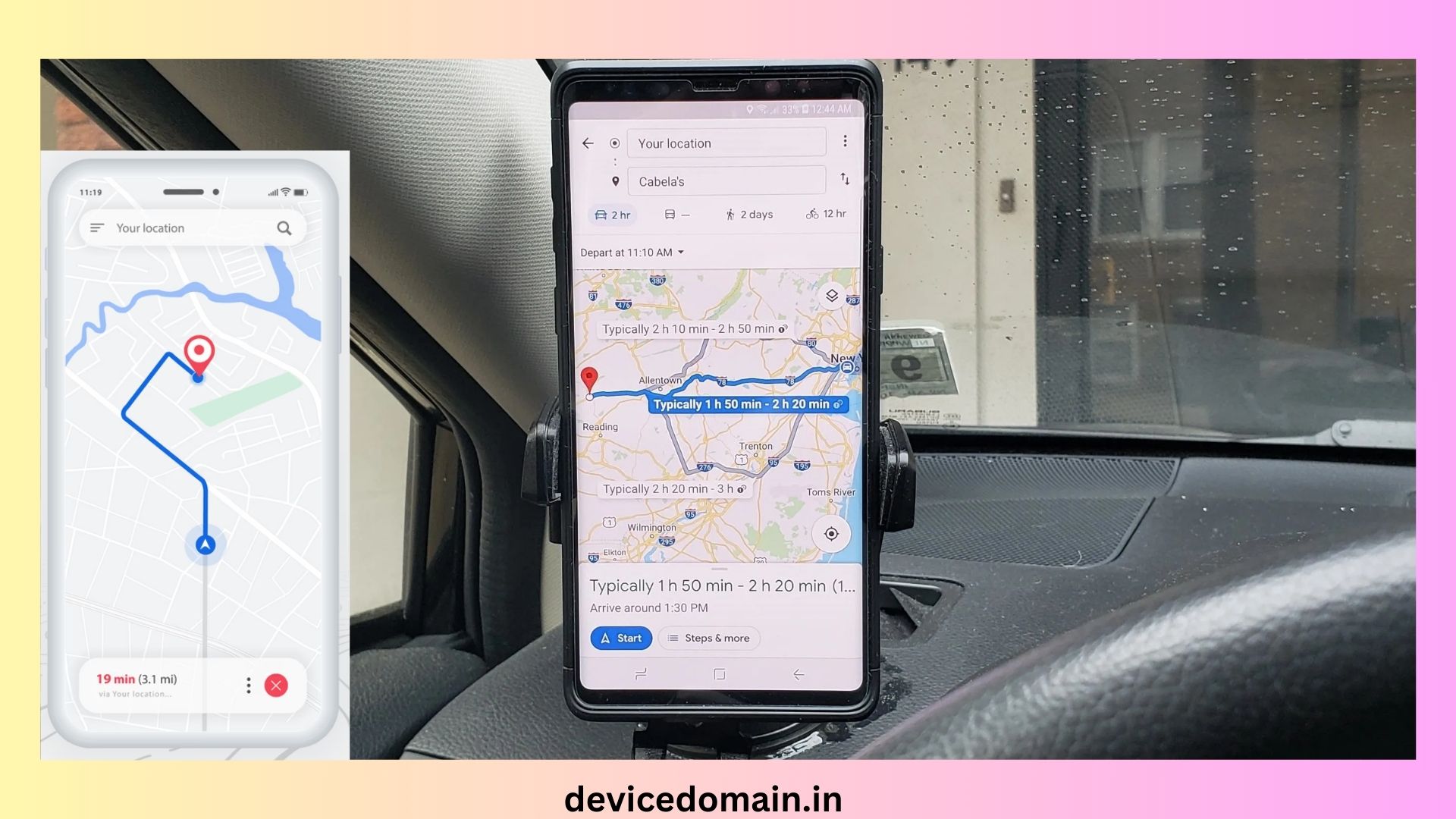
The Sony Xperia 1 V also deserves mention for its GPS performance. Sony phones often include antennas due to their camera and radio design. This model uses a dual-band GNSS receiver well. Location lock speed stays quick during repeated tests. Cold start locks often occur within six seconds. Navigation during driving works smoothly with clear map movement. The phone rarely places the vehicle on nearby streets. Walking tests show tracks across city blocks. Park and beach routes also remain close to lines.
Sony includes sensor tuning for compass direction. The map arrow usually stays steady while you are standing still. This improves walking guidance in areas. Cyclists also gain route records with this device. Speed and distance logs match bike computer records well. Elevation data remains stable across hill climbs and descents. Battery use during GPS sessions stays moderate. The phone lasts through runs or rides without fast drain. Signal strength remains good near rivers and open fields. However the phone may struggle slightly between tall towers.
Urban canyon areas can still cause map drift.. The phone often corrects its position within a few seconds. This quick correction keeps navigation for most users. The Xperia device also works well with hiking apps. Trail tracks remain close to routes across forests and hills. The phone also supports satellite systems for stronger coverage. These include GPS, GLONASS, Galileo and BeiDou signals. More signals help the phone keep its lock during sky view. This matters during mountain hiking or narrow valley travel. Overall GPS accuracy ranks high among phones.
The OnePlus 12
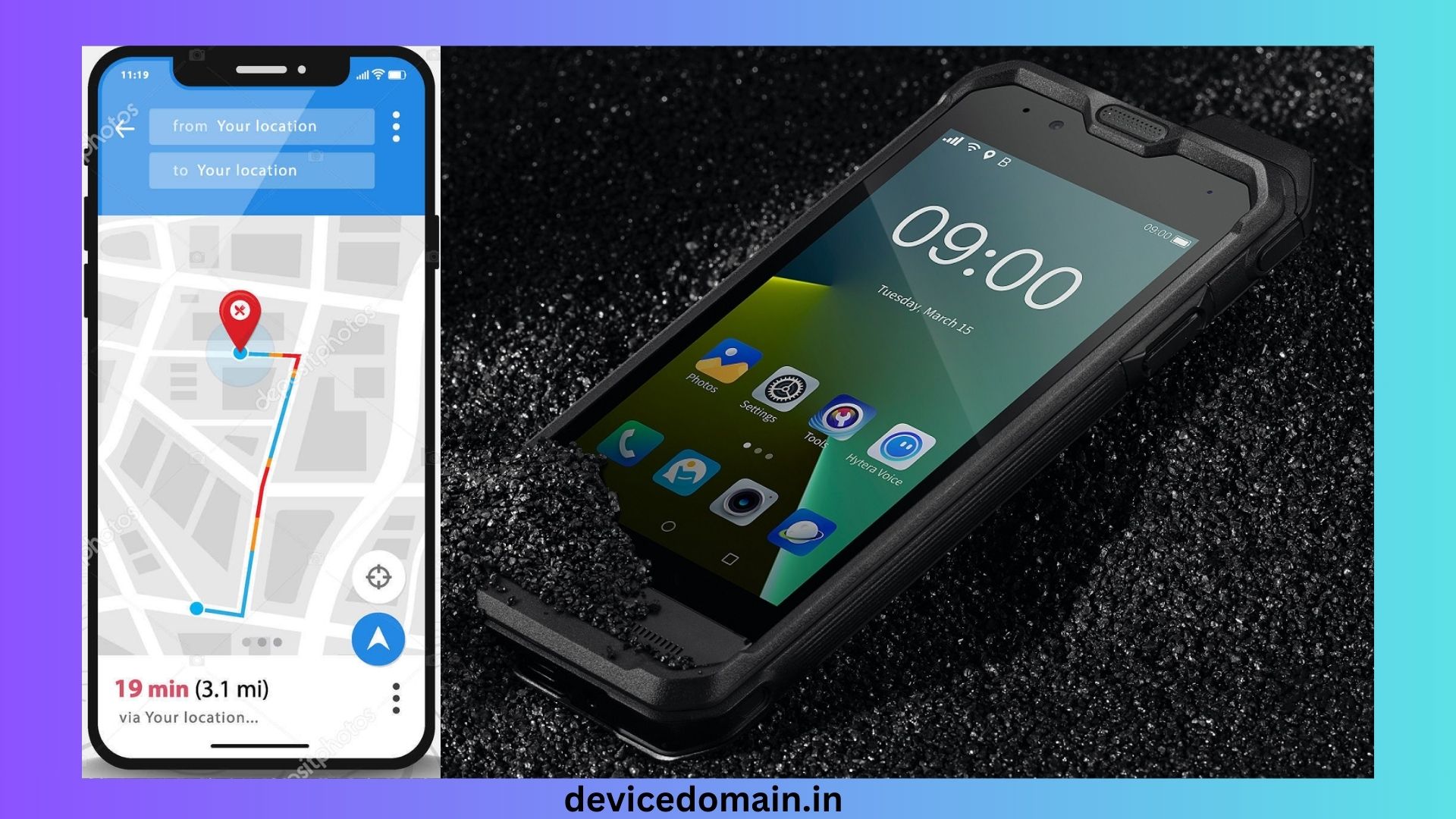
The OnePlus 12 also performs well during GPS testing. OnePlus has improved its location hardware over years. This phone uses a dual-band GNSS chip like flagship models. It connects to satellite systems at the same time. Location lock speed stays quick in open sky tests. Map apps often show a position within five seconds. Driving navigation stays smooth across highways and city roads. The map rarely jumps between streets. Walking routes also remain close to sidewalks.
Fitness apps record distance with accuracy. Cycling tests show smooth path lines across bike routes. Speed readings stay steady without spikes. Elevation tracking works well on hill rides. Battery life also holds strong, during GPS use. Five hours of navigation will leave safe power levels. The phone also regains its signal quickly after tunnel exits. Some phones take longer to return to the location. The OnePlus device corrects its position quickly. Signal strength also holds well in wooded parks.
Tree cover only causes drift lines on route maps.
Urban canyon areas still cause location spread.
Yet the phone corrects its path once clear sky returns.
The bright screen also helps users view maps
Touch response stays smooth when zooming or rotating maps.
Overall GPS accuracy remains strong for travel and sports use.
Now it helps to compare these phones across GPS tasks.
Driving navigation tests show similar results among top models.
All maintain map movement during highway travel.
Lane guidance works well on roads with clear satellite view.
Small differences appear mostly in city blocks.
Dual band phones handle signal bounce better than band models.
That reduces the chance of map drift into streets.
When you are walking the differences between phones become more clear.
Strong GPS phones keep route lines to real sidewalks.
Weaker phones show zigzag lines across buildings or parks.
The iPhone and Pixel models often produce the tracks.
Samsung and Sony models also perform well with drift.
OnePlus remains behind with similar results.
Hiking tests add challenges due to trees and hills.
Phones must rely on satellite signals in these areas.
Devices with antennas show tighter route tracks.
The iPhone and Pixel models again show results.
Samsung also performs across forest trails.
Sony and OnePlus remain close with wider track spread.
Battery use during GPS also matters for trips.
Large batteries help phones last longer during map tracking.
Samsung and OnePlus models often last the longest.
Apple and Google models balance battery use with performance.
All phones here can handle hours of navigation safely.
Signal recovery also affects world GPS use.
Tunnels and large buildings often block satellite signals.
Phones must regain position quickly after leaving these areas.
The Pixel and iPhone models usually recover fast.
Samsung and OnePlus follow closely with results.
Sony also returns to correct location within a time.
Map software also shapes the navigation experience.
Google Maps remains one of the trusted navigation apps today.
Apple Maps has improved greatly in years.
Both apps run smoothly on flagship phones.
Voice guidance timing also stays accurate across these devices.
Clear prompts help drivers make turns at the moment.
Fitness tracking apps also benefit from GPS accuracy.
Running apps depend on clean distance records and smooth pace data.
Phones with GPS produce better workout logs.
The phones in this review all handle fitness tracking well.
Small differences appear during heavy tree cover.
Another factor is accuracy for walking navigation.
Phones use motion sensors and magnetic sensors for map direction.
Poor compass tuning causes spinning maps during walking.
The iPhone and Pixel models often show the stable direction.
Samsung and Sony follow closely with results.
OnePlus also performs after short compass calibration.
Build quality also affects antenna performance in phones.
Metal frames sometimes block signal paths if poorly designed.
Good antenna placement improves satellite reception greatly.
Manufacturers now test antenna paths carefully.
That helps modern phones reach GPS accuracy.
Price also matters when choosing a GPS focused phone.
Flagship phones usually include the GNSS chips and antennas.
Lower cost phones may lack dual band support.
That can reduce accuracy in city streets.
Buyers who travel often may prefer GPS hardware.
In the end several phones deliver GPS accuracy today.
The iPhone 15 Pro stands out for tracks and strong signal recovery.
The Pixel 8 Pro also ranks high with clean route lines.
Samsung Galaxy S24 Ultra offers battery life and reliable navigation.
Sony Xperia 1 V delivers results with solid antenna design.
OnePlus 12 provides GPS accuracy at a slightly lower price.
Any of these phones will guide drivers and walkers with location accuracy.
Outdoor users will also gain route tracking for hikes and bike rides.
Choosing between them depends on price, software taste and camera needs.
From a GPS view each phone performs very well today.
Modern satellite chips and smart software have pushed phone GPS to levels.
Most users can now trust their phone, for navigation and outdoor travel.