
A good gaming setup helps you win games. It also makes you feel better when you play for a time. The important things are speed, comfort and clear sound. You do not need to buy the expensive gear. You just need to have the parts and set them up well. Making changes can make your game run faster and respond better. A good setup also helps reduce strain on your eyes and hands. This guide will show you what to do works and why. Each part of your setup has a role. Each setting has a purpose. If you follow this guide you will see improvements.
The Core: Your Gaming PC or Console
Your gaming system is the main heart of your setup. You need to choose a device that it fits your needs. A gaming PC gives you control and power. A console is easier to use and provides play.
Gaming PC Setup
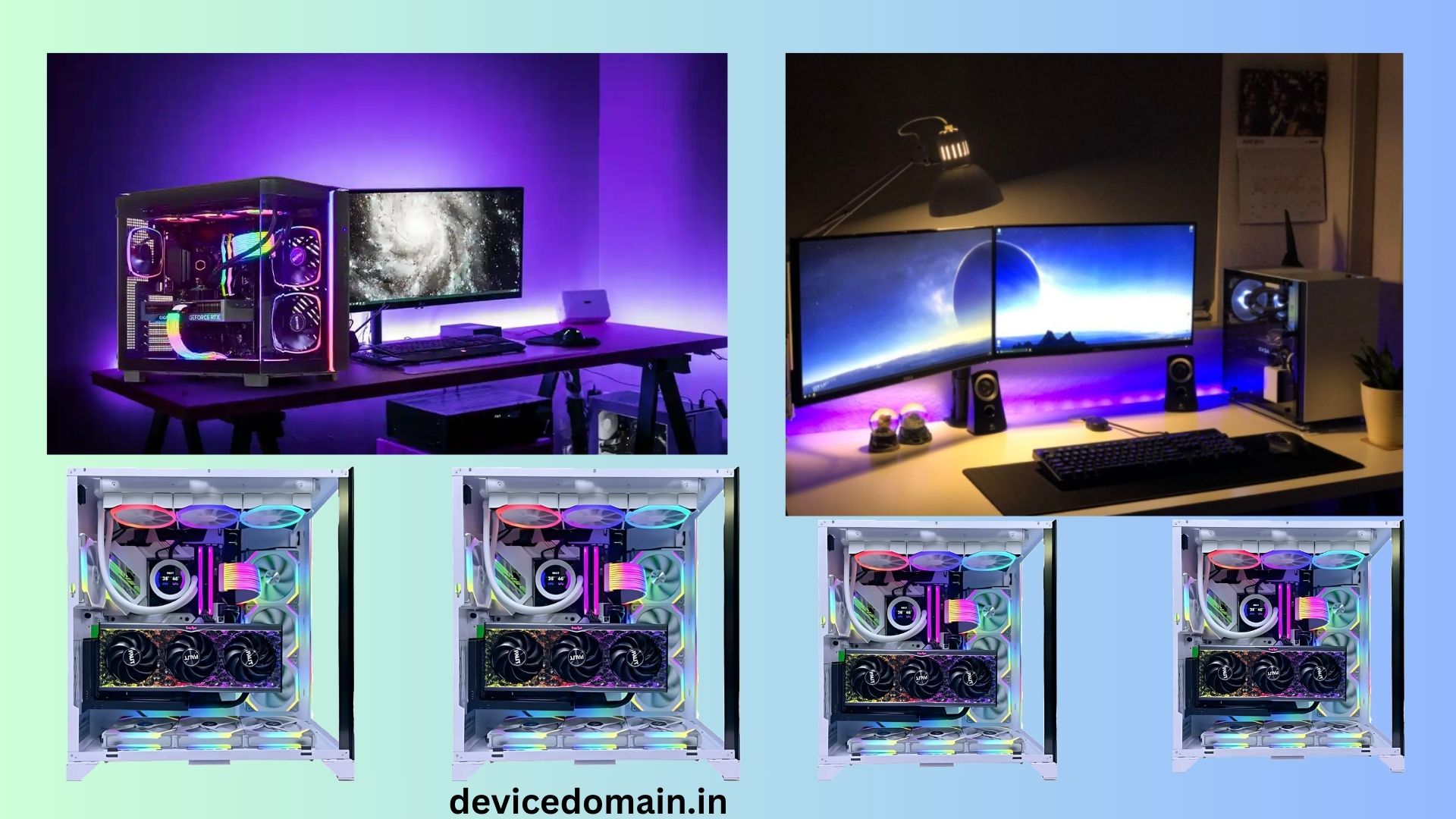
A gaming PC needs a central processing unit. It also needs a graphics processing unit. The graphics processing unit is what drives your frame rate. More frames mean the game runs smoother. You should have least 16 gigabytes of random access memory. 32 Gigabytes is even better for games. You should use a state drive instead of a hard drive. Games load faster on a solid state drive. NVMe drives load faster.
You need to keep your computer case cool. Heat slows down the parts. Reduces their lifespan. You should use least three fans. Two fans should pull air in. One fan should push air out. You need to keep the cables neat for airflow.
You should update your graphics drivers often. New drivers fix bugs. Make the game run faster. You should turn on this game mode in Windows. You should set the power plan to performance.
If the frame rate drops you should lower the settings. You should turn off motion blur. You should lower the shadow quality first. You should keep the quality high if the video random access memory allows it.
Console Setup
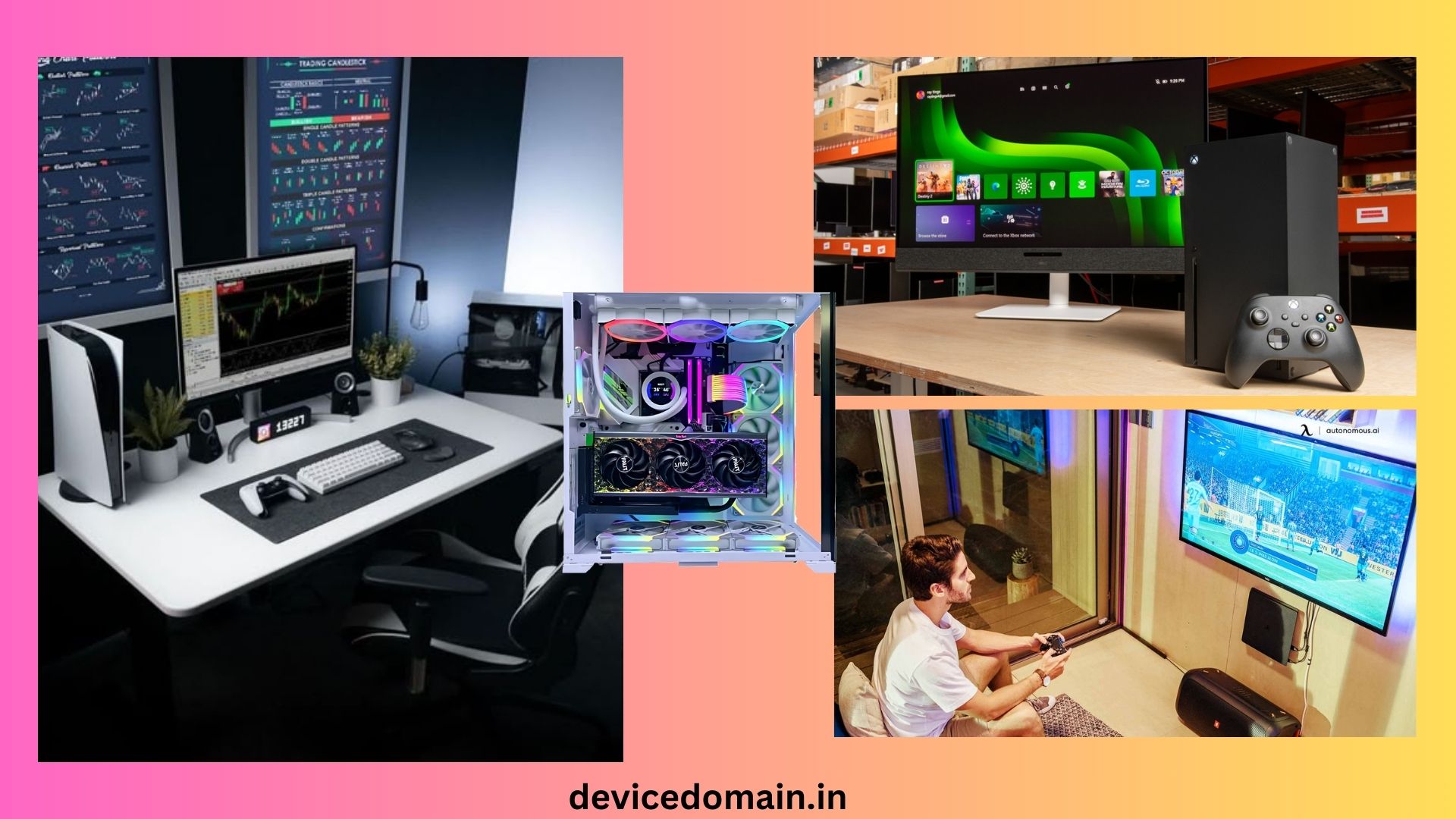
Popular consoles include the PlayStation 5 and the Xbox Series X. You should place the console in a space. You should not block the air vents. Heat is bad for the console during play sessions.
You should use performance mode in the settings. This favors frame rate over detail. A high frame rate is helpful in shooter games. You should use a wired internet connection if possible. WiFi can cause lag spikes.
You should turn on game mode on your TV. This reduces input delay. Lower input delay means response
The Monitor: See Every Frame
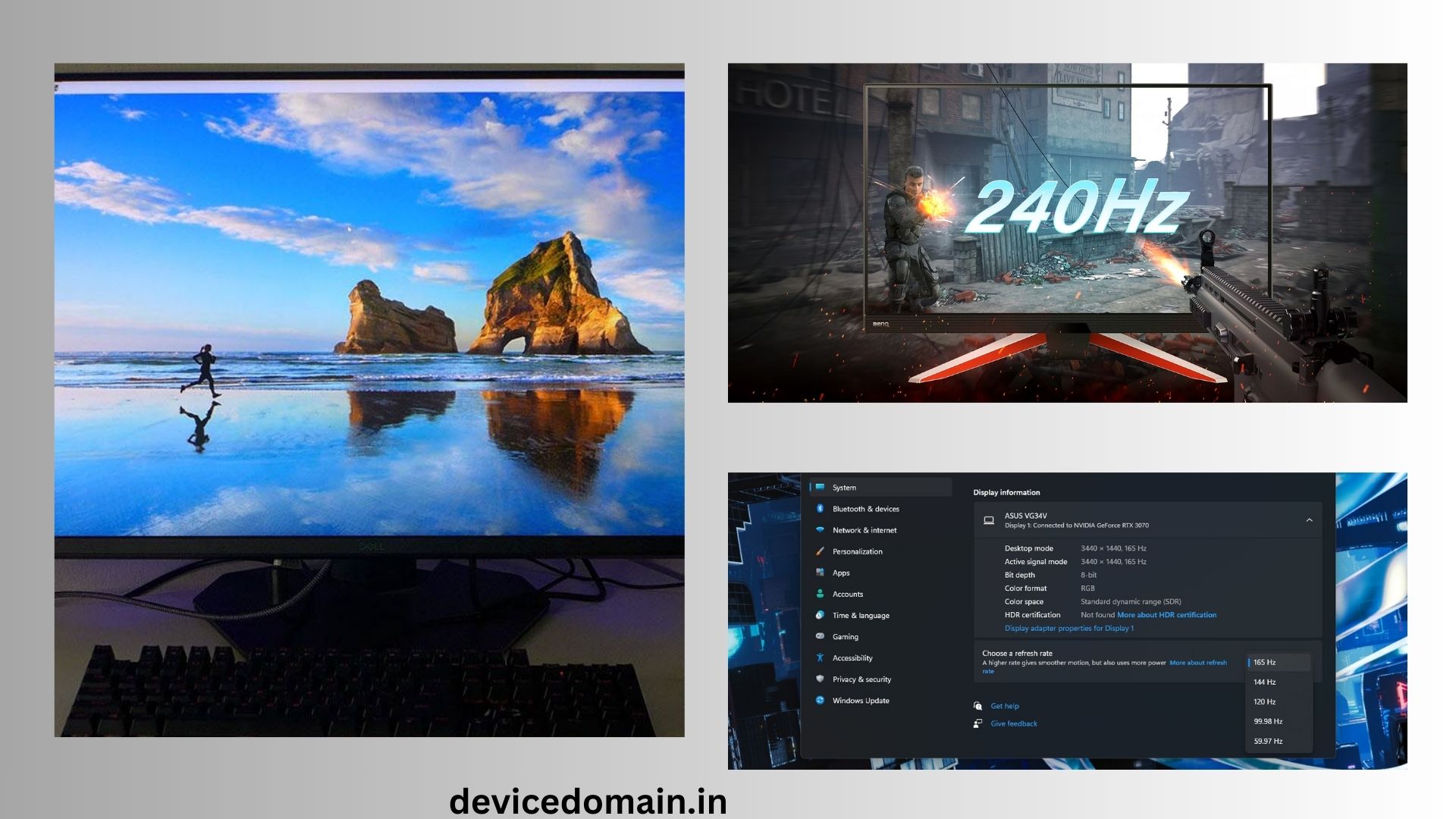
Your monitor affects your aim and timing. You should use a monitor with least 144 hertz refresh rate. 240 Hertz is better for shooter games. You should match the monitor refresh rate to the graphics processing unit output.
You should set the response time to the mode. You should avoid overdrive if it causes ghosting. You should turn off image effects. They add delay.
You should use DisplayPort for a gaming PC. You should use HDMI 2.1 for consoles. You should set the resolution to the level. You should not use stretched view unless you need to.
You should adjust the brightness to the room light. If the monitor is too bright it strains your eyes. If it is too dim it hides enemies in zones.
You should enable FreeSync or G-Sync if they are supported. This stops screen tearing. Smooth motion helps with tracking targets.
The Keyboard and Mouse
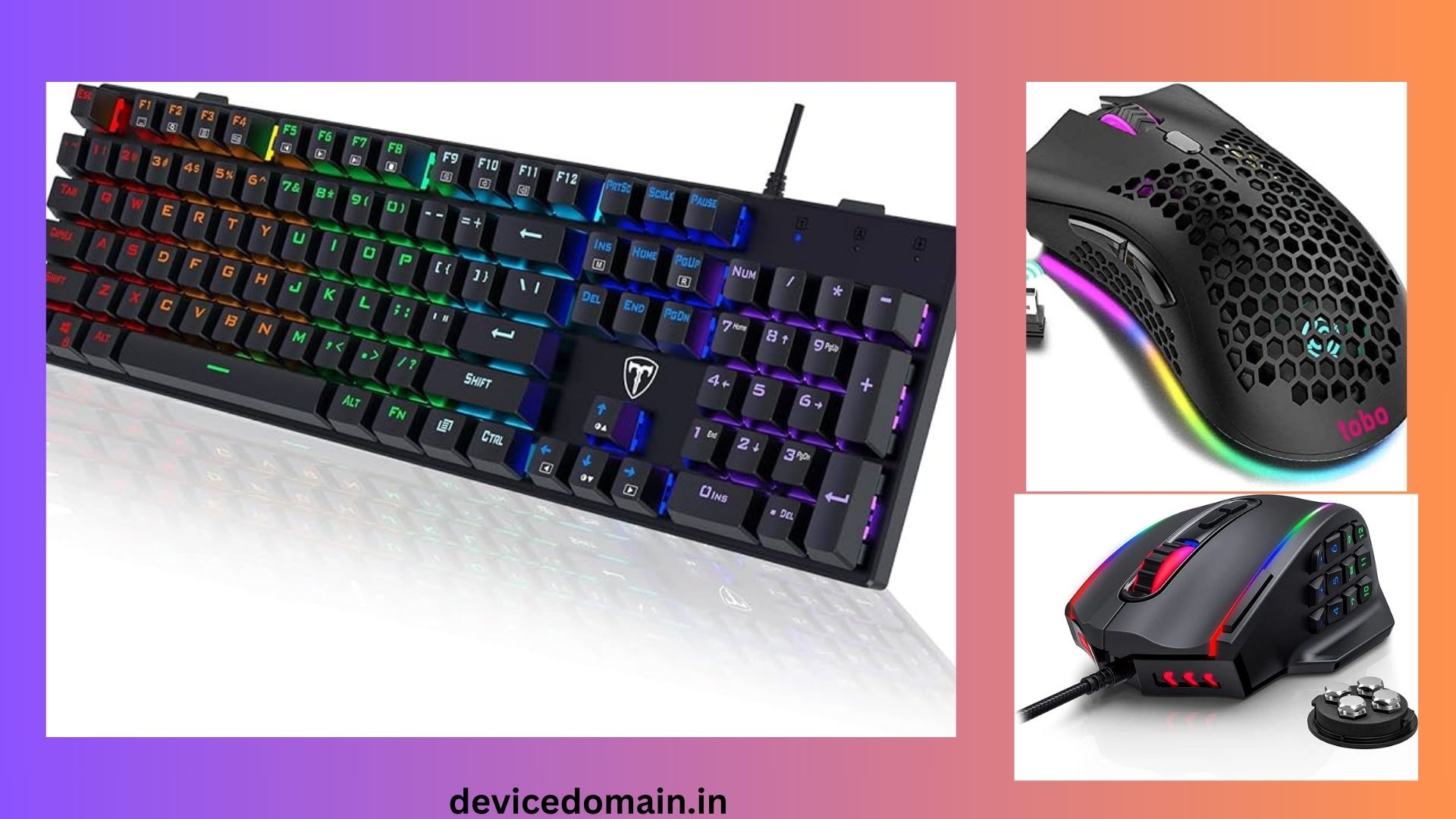
You should use a keyboard. Red or linear switches feel smooth. They respond fast with force. You should keep the actuation short.
You should choose a gaming mouse. A lower weight helps with flick shots. You should be use a sensor with the no spin out. You should set the dots per inch between 400 and 1600. Many professionals use 800 dots per inch.
You should lower the in-game sensitivity for control. High sensitivity causes missed shots. You should use a mouse pad. Cloth pads give better stop control.
You should turn off mouse acceleration in the system settings. This keeps your aim steady. You should use a 1000 hertz polling rate.
The Controller Setup
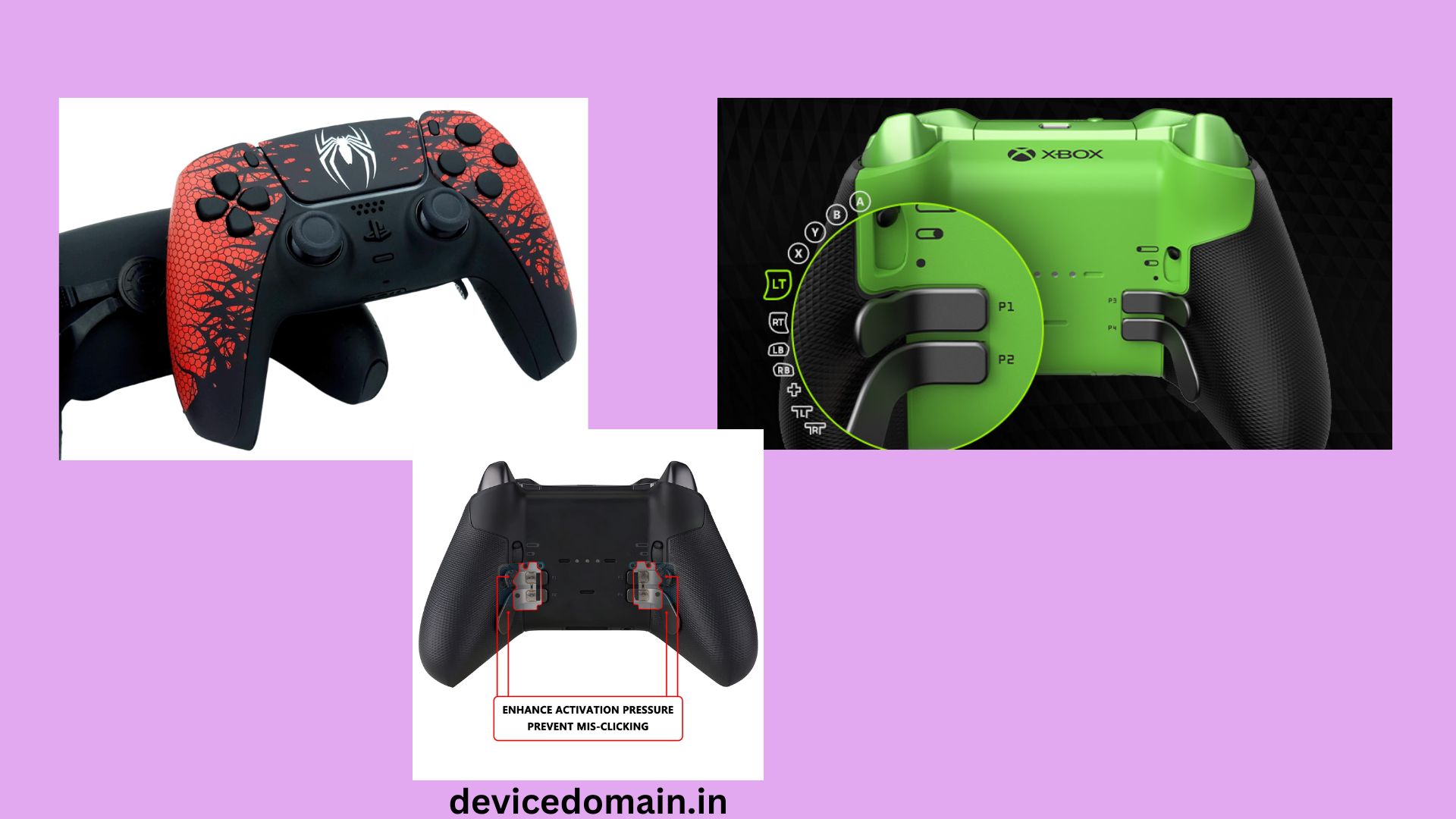
Some players prefer using controllers. You should use models with back paddles. Back paddles reduce thumb movement. Faster input means reaction.
You should set trigger stops if they are available. Shorter pull means shots. You should adjust the stick zones. A lower dead zone improves aim. If it is too low it may cause stick drift.
You should use wired mode when possible. Wired links reduce delay.
Audio Setup: Hear Before You See
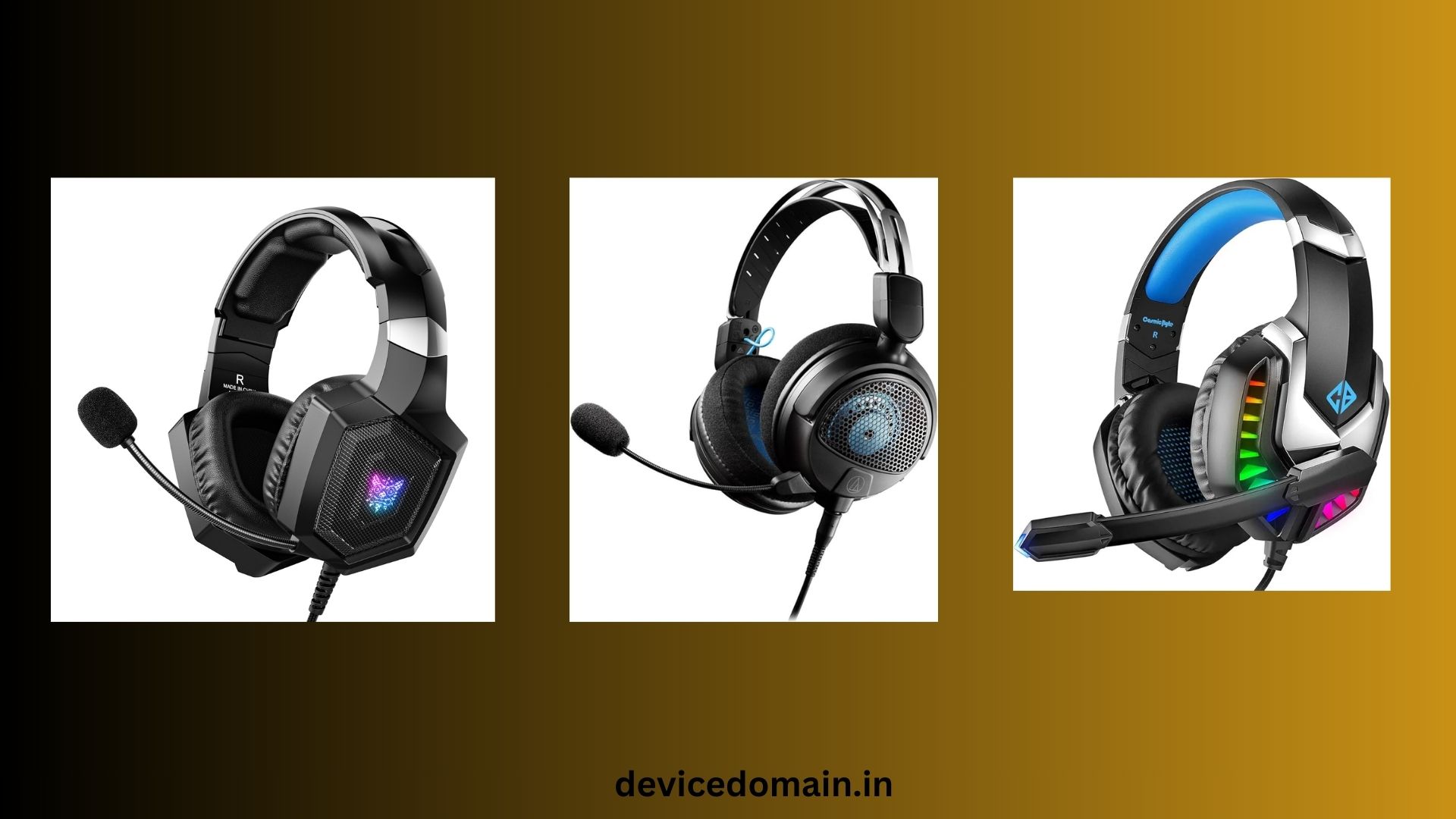
Sound gives you information in games. Footsteps tell you where the enemies are. You should use a quality headset. Open-back headsets give a sound stage. Closed-back headsets block room noise.
You should use surround sound if it helps. You should test both stereo and surround. You should pick what gives clear direction cues.
You should keep the gain balanced. If it is too high it causes noise. If it is too low your voice is unclear.
Internet and Network Setup
Lag ruins games. The ping should stay under 30 milliseconds if possible. You should use Ethernet. You should avoid gaming on shared WiFi.
You should place the router in a space. You should keep it away from walls. You should restart the router once a week. You should update the router firmware when needed.
You should use Quality of Service settings. You should set the gaming device as priority. This keeps the ping stable during downloads.
Desk and Chair Setup
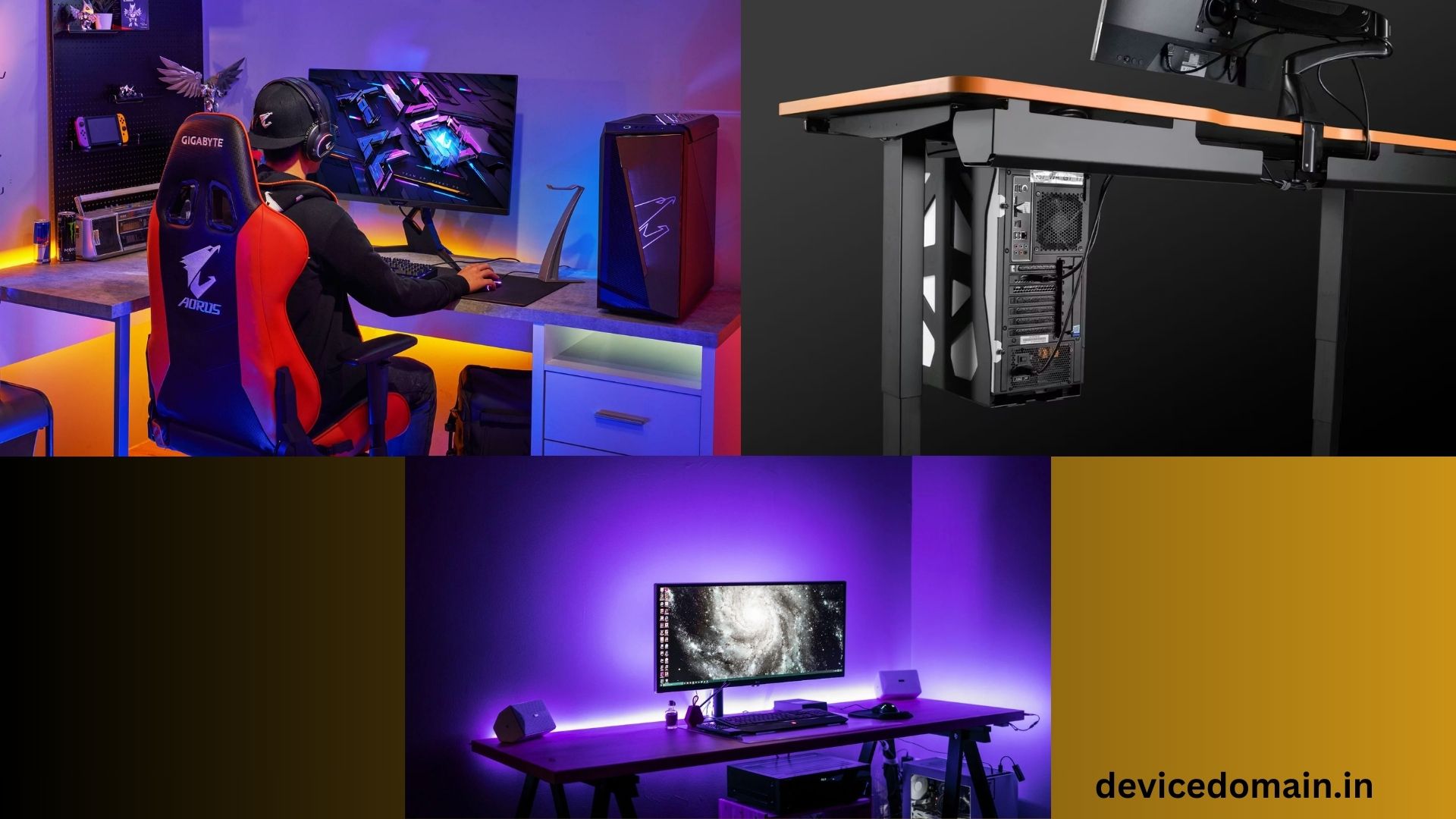
Comfort helps you during play sessions. You should sit with your back straight. Your feet is should be flat on the floor. Your elbows should be at 90 degrees.
You should use a chair with lumbar support. You should be keep the monitor at eye level. The distance should be about arm length.
You should use a desk with depth. Crowded space harms mouse control. You should manage cables with clips or trays.
Room Control
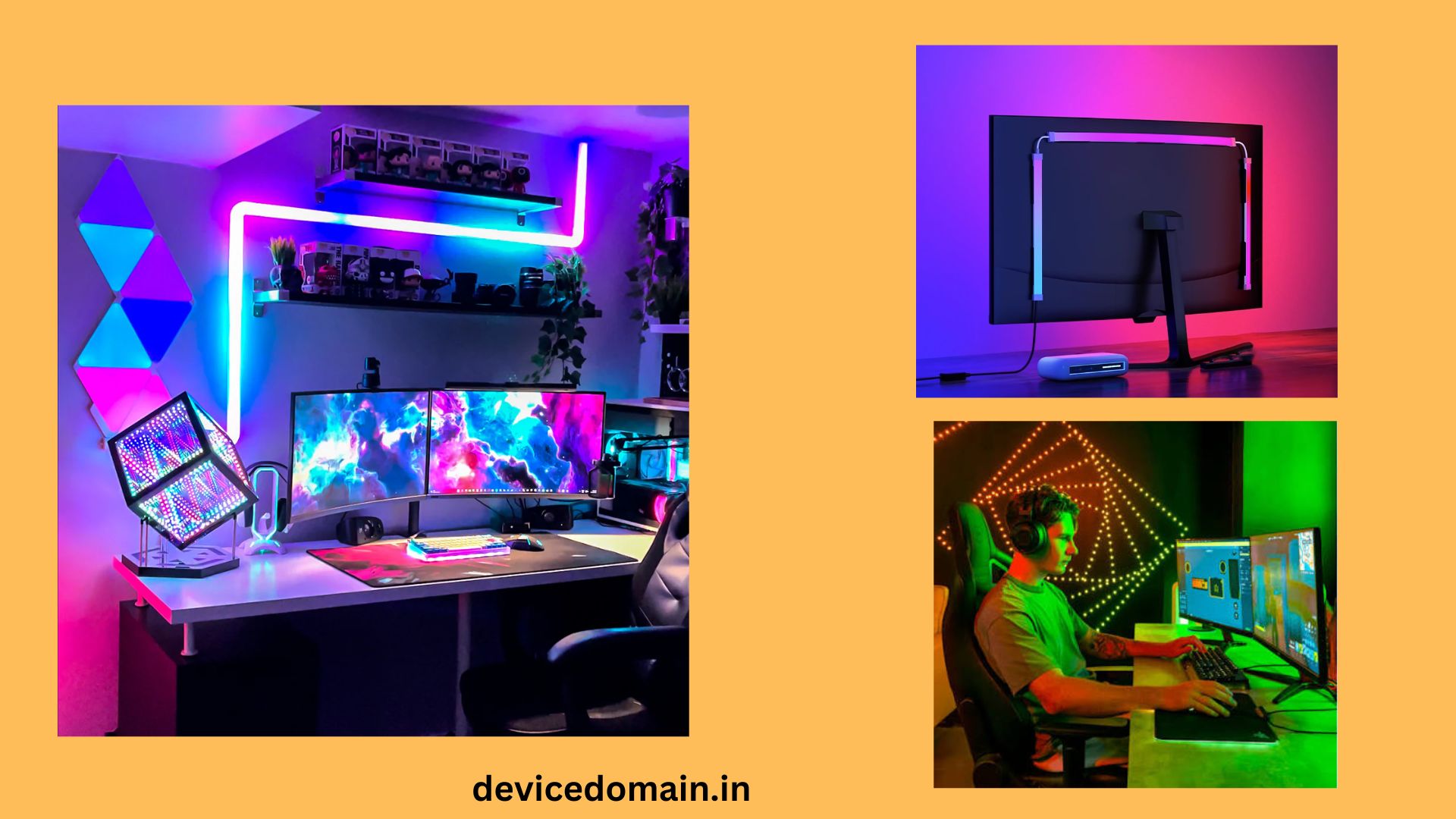
Good lighting reduces eye strain. You should use light behind the monitor. This is called bias lighting. It improves contrast.
You should avoid light behind you. It causes screen glare. You should close the curtains during play.
You should keep the room cool. Heat affects focus and device speed.
Software Optimization
You should close apps before gaming. Background apps use random access memory and central processing unit. You should must be disable startup apps you do not need.
You should keep the system clean from malware. You should run scans once a month. You should not install tools.
You should set in-game graphics for frames. Stable 144 frames per second is better than unstable 200 frames per second. You should be the cap the frame rate below the max refresh.
You should turn off V-Sync if it adds delay. You should use sync instead.
Streaming Setup Without Losing Performance
Streaming uses system power. You should use hardware encoding on the graphics processing unit. This reduces central processing unit load. You should lower the stream output to 1080p 60 frames per second. You should not stream at 4K unless the system is strong.
You should close browser tabs during the stream. You should use a PC if you stream daily.
Final Setup Checklist
- Strong central processing. Graphics processing unit
- 16 gigabytes or more random access memory
- Solid state drive storage
- 144 hertz or higher monitor
- internet
- Mechanical keyboard
- Light gaming mouse
- Quality headset
- Clean desk and good chair
- Proper, in-game settings
Each part of your gaming setup works together. No single item wins games alone. Skill grows with practice. A good setup removes limits. It lets your skill shine.
Maximum performance comes from a setup. You should control heat. You should lower delay. You should boost the frame rate. You should stay comfortable.
You should set it up once. You should maintain it often. You should play at your best every time.